
Building Chico’s Future
A strong future requires investment, opportunity, and responsible decisions. I want Chico to be a community where our children can build their lives, businesses can invest and grow, people can find good jobs, and we take care of the infrastructure that supports our economy and quality of life.
Building that future requires us to think beyond the next budget or the next project. We need to invest in what Chico already has, create opportunities for what comes next, and understand the long-term impact of the decisions we make today.

2. RESTORE DOWNTOWN AS THE HEART OF CHICO

1. BUILD A STRONGER LOCAL ECONOMY
As a business owner, I know how difficult it is to build and grow a successful business. A strong local economy does not happen by accident. The City has a role in creating the conditions that allow businesses to invest, employers to grow and people to find opportunity here.
When I became Mayor, one of my priorities was putting economic development back on the City's agenda. The Council established economic development as a strategic priority, and Chico began the work of developing an Economic Development Vitality Strategy.
That work is giving us a much clearer understanding of Chico's economy—where we are strong, where we are losing ground, where we have constraints and where we have opportunities to grow. It has brought business and industry leaders into the conversation, so our economic strategy reflects what employers are actually experiencing.
What we are learning is that Chico cannot take its economy for grated. Our businesses are navigating changing consumer behavior, higher costs, and shifts in national and global markets. We need to strengthen the businesses and industries already here, create more opportunities for good jobs, and position Chico to compete for new investment.
Chico responded to enormous housing pressure following the Camp Fire, and I supported the City's work to increase low-moderate housing production. The City has done an excellent job in meeting its mandated housing requirements to sustain receiving state funding for housing. But there is more to do. What we are hearing from employers now is the need for more workforce housing and a greater diversity of housing choices so people at different income levels and stages of life can live and work in Chico.
Today, licensed childcare capacity is available for only about 18% of Butte County children ages 0–12 with parents in the labor force. That is simply not enough to support our working families. Parents need and deserve access to safe, reliable, and affordable childcare.
Chico State and Butte College are tremendous economic assets. We need to strengthen the connections between our colleges, students, and employers so that more graduates can find opportunities here and Chico businesses can find the talent they need to grow.
A healthy economy connects all of these pieces: businesses that can grow, jobs that provide opportunity, housing for our workforce, childcare for working families, education and training, good infrastructure and the quality of life that makes people want to stay in Chico.
I believe Downtown should be the heart of Chico. Downtown has been through a difficult period Camp Fire, pandemic, and Warren. Homelessness, public-safety concerns, changing shopping habits and other challenges have added to the pressure on Downtown businesses.
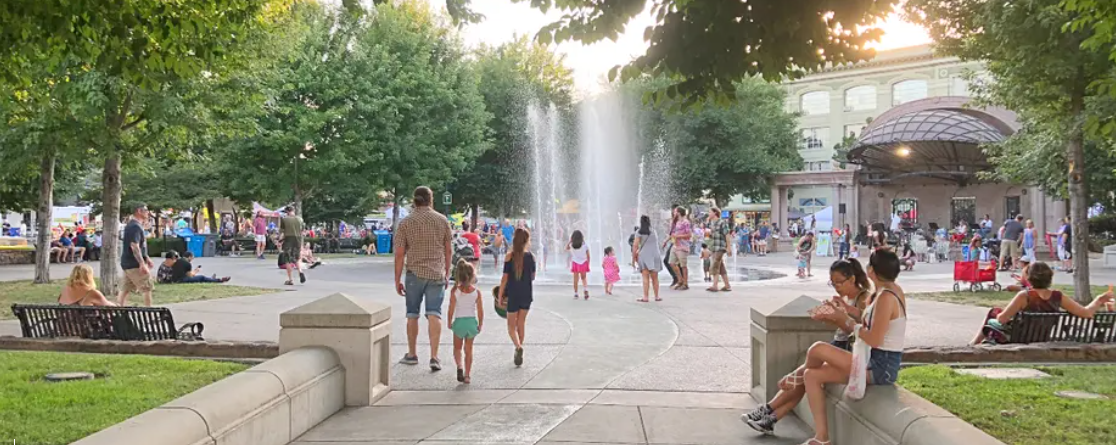
I have supported steps that can help bring people back Downtown—including community events, an Entertainment Zone, holiday free parking and taking another look at parking to make our system more customer-friendly. My record includes initiating or advancing Downtown events and the Entertainment Zone.
I have supported the Downtown Chico PBID and its Ambassadors because having people on the streets helping keep Downtown clean, welcoming, and cared for matters. As a Downtown business owner, I have also personally supported PBID's Fresh Coat program to refresh building facades, and my business actively participates in community events that give people another reason to come Downtown.
I voted no on the Downtown Revitalization Project. I support bicycling and safe bike infrastructure, but I did not believe we had adequately answered important questions about the project's cost, funding, timing and impacts on Downtown businesses and users. A project of that scale needs clear information and meaningful input before the City moves forward.
Restoring Downtown is bigger than any single project. We need to get the basics right—clean and safe streets and sidewalks, healthy trees and landscaping, attractive storefronts, convenient and customer-friendly parking, activities that bring people Downtown, and an environment where businesses can succeed.
We already have good policies and directions for Downtown in Chico's General Plan and other planning documents. What we need now is to bring the businesses and property owners who operate Downtown every day to the table and listen to what they believe is needed to bring customers back. The City, Chamber, DCBA, PBID, Chico State and other partners can then help turn those priorities into action.

3. FULLY VET CITY DECISIONS AND THEIR FINANCIAL IMPACT
City decisions have real consequences for the people who live and do business here. We have a responsibility to understand those consequences before we act. City Hall should not make Chico more expensive without understanding the consequences and alternatives.
Higher everyday costs are already putting pressure on Chico families and local businesses. When the City considers a new fee, rate, regulation, or major capital investment, I always ask what it will cost, who will pay for it, whether there are less costly alternatives, and whether we have fully understood the long-term impact. That has been a consistent part of my approach on Council we cannot keep burdening our residents and businesses – as a parent, grandparent, and business owner I understand all perspectives.
Major decisions that affect what Chico residents and businesses pay should not be voted on without the Council and public having had the opportunity to fully understand the choices, costs, and consequences.
When the proposed sewer-rate increases came before the Council, I pushed back and voted no because I believed we needed to better understand the impacts and alternatives before making a decision that would affect residents and businesses. I am continuing to push for a greater review and analysis to address the issue and not burden our citizens.
I have also supported looking at City development requirements that add unnecessary cost or delay to housing and business investment while maintaining the standards needed to protect the community. My goal is not to eliminate standards—it is to make sure our requirements make sense and accomplish what we intend them to accomplish.
Responsible leadership means asking hard questions before committing public dollars or imposing additional costs on residents and businesses.